
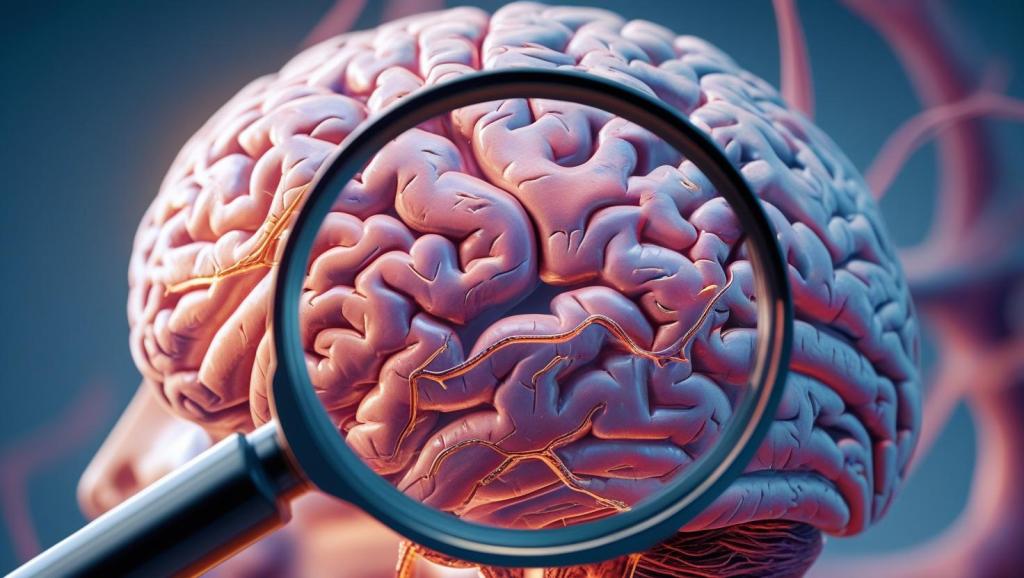
Attention-Deficit/Hyperactivity Disorder (ADHD) isn’t about being distracted, and it’s definitely not about being lazy. It’s a brain-based difference that impacts how we regulate attention, emotions, and behaviors. This post breaks down the causes and functions of the ADHD brain and covers core components that make up ADHD. You may recognize some of these characteristics within your child, students, or even yourself. But don’t worry, once you understand these behaviors, you can use effective strategies to support learning, emotional well-being, and everyday success.
Genetic and Biological Predisposition
According to Russell Barkley in his ADHD Handbook for Diagnosis and Treatment, 4th Edition, ADHD in children is neurobiological with two main categories of causes. One is genetic and biological predisposition, and the other is environmental risk factors.
- ADHD is highly genetic and can be passed down in about 65-75% of cases due to inherited genes that affect brain development.
- Differences in brain structure and function compared to typically developed peers.
- Areas of the brain that are often smaller or mature at a delayed rate:
- The prefrontal cortex is important for planning, decision-making, and working memory.
- The basal ganglia are important for motor control, learning, and cognition.
- Lower levels of:
- Dopamine: neurotransmitter that controls movement, motivation, function, and reward
- Norepinephrine: a neurotransmitter that controls alertness, attention, and cognitive functions.
Environmental Risk Factors
Barkley (2015) emphasizes that around 25-35% of children diagnosed with ADHD are linked to non-shared biological factors that are unique to the child.
- Prenatal risks: maternal smoking, alcohol use, infections, or toxin exposure during pregnancy.
- Perinatal or postnatal risks: birth complications, lead exposure, brain injury, or infections early in life.
- Rare autoimmune triggers: Streptococcal infection that damages the basal ganglia due to an abnormal immune response.
What does not cause ADHD are social or psychological factors that include poor parenting, dietary sugar, food additives, or excessive TV. Those things can significantly affect behavior, but they are not root causes.
ADHD in Girls vs. Boys
ADHD is defined as a developmentally inappropriate level of inattention, impulsivity, and/or hyperactivity that impairs functioning across different settings for at least 6 months, and symptoms should appear before the age of 12 years (Barkley, 2015). For many decades, boys have been more likely to be identified with ADHD than girls. At one point in history, ADHD was thought to be a disorder that only boys could have; up until recent decades, research has been recognizing the importance and impact of ADHD in females. For example, female behavioral characteristics show up differently from those of males.
ADHD in females
- Hyperverbal behaviors (e.g., excessive need to talk)
- Internalized problems (e.g., anxiety, depression, low self-esteem, social difficulty)
- Higher rates of inattention
- Greater risk for substance use in adolescence
- Higher rates of suicide attempts
ADHD in males
- Hyperactive behaviors (e.g., excessive need to move)
- Externalized problems (e.g., defiance, opposition, rule-breaking
- Higher rates of impulsivity
- Higher rates of school suspension
- More likely to be referred for medication
- Higher rates of suicidal ideation
Studies show that females with ADHD experience overlapping symptomatology with males with ADHD, depending on their ADHD subtype. The majority of studies show that academic achievement, IQ, executive functioning, and processing speed yield no significant difference between genders (Barkley, 2015).
Executive functioning
Executive functioning is a key area of ADHD, which involves difficulty with planning, organization, initiation of tasks, completing tasks, changing tasks, and self-monitoring. When individuals with ADHD have difficulty in this area, they are viewed as lazy, careless, or disorganized. Let’s break down a few key components of executive functioning:
- Response Inhibition is the ability to withhold a maladaptive cognitive or behavioral impulse. This could look like answering before a person is done speaking or being excited, overstimulated, impatient, or easily frustrated.
- Working memory is the ability to hold multiple pieces of information, verbal or nonverbal, in your mind’s eye while you are manipulating them, such as completing a math problem in your head. When individuals struggle with working memory, it can affect areas of their everyday lives, such as keeping track of time or keeping track of their belongings.
- Set shifting or cognitive flexibility involves shifting one’s attention between different tasks or cognitive demands, such as watching TV while doing homework, switching between subjects in class, or following directions with changing rules.
Emotional Disregulation
A core area of ADHD is emotional disregulation, the failure to inhibit emotions or emotional impulsivity, particularly in negative emotions such as frustration, impatience, or anger (Barkley, 2015; Nigg et al., 2020). This is often underrecognized in diagnostic criteria and is a significant and often impairing aspect of ADHD. These issues stem from core deficits in executive functioning, particularly those related to self-regulation, impulse control, and working memory. Barkley emphasizes that emotional dysregulation can contribute to interpersonal conflicts, academic and occupational impairments, and increased risk for comorbid mood disorders. Importantly, addressing emotional self-regulation in treatment planning through interventions such as behavioral management strategies, parent training, and cognitive-behavioral approaches is crucial for improving long-term outcomes in individuals with ADHD.
Comorbid Psychiatric Disorders
Comorbid psychiatric conditions are highly prevalent among individuals with ADHD and can complicate both diagnosis and treatment planning. Barkley notes that more than 80% of individuals with ADHD are likely to meet the criteria for at least one other psychiatric disorder during their lifetime. Common comorbidities include oppositional defiant disorder (ODD), conduct disorder (CD), anxiety disorders, depressive disorders, and learning disabilities (Barkley, 2015; Nigg et al., 2020). These comorbid conditions may exacerbate functional impairments in academic, social, and emotional domains and often require integrated, multimodal interventions. For example, the presence of anxiety or depression may necessitate the use of cognitive-behavioral therapy in addition to behavioral and pharmacological treatments for ADHD. Understanding the interplay between ADHD and comorbid conditions is critical for accurate diagnosis and the development of effective, individualized treatment plans.
Executive Functioning Strategies for Home and School
- Visual schedules and checklists
- Why: Support working memory, task initiation, and organization.
- How: Use picture schedules, written task lists, or step-by-step guides.
- Chunking tasks and using timers
- Why: Helps manage time, reduce overwhelm, and sustain attention.
- How: Break assignments into smaller chunks with breaks between.
- Tools: Time Timers, Pomodoro apps.
- Positive reinforcement charts
- Why: Encourages motivation and self-monitoring.
- How: Use token systems or point boards for meeting goals
- Provide explicit instructions
- Why: Many children with ADHD benefit from being directly taught skills like planning and prioritizing.
- Environmental supports and accommodations
- Why: Helps reduce distractibility and improve sustained attention.
- Examples:
- Preferential seating
- Noise-canceling headphones
- Use of fidgets or movement breaks
Resources for Parents and Educators
CHADD (Children and Adults with Attention-Deficit/Hyperactivity Disorder)
https://chadd.org – Offers webinars, toolkits, and local chapter support groups.
PBIS World Reinforcement Systems: pbisworld.com
SMART Executive Functioning Curriculum: https://smarts-ef.org
Visual Schedule Guide: Understood.org – Parent-friendly explanations of executive functioning, ADHD, IEP/504 plans, and home-school strategies
References
Barkley, R. A. (2015). Attention-deficit hyperactivity disorder: A handbook for diagnosis and treatment (4th ed.). The Guilford Press.
Nigg, J. T., Karalunas, S. L., Gustafsson, H. C., Bhatt, P., Mooney, M. A., Faraone, S. V., Fair, D.A., & Wilmot, B. (2020). Evaluating emotional dysregulation and irritability in relation to ADHD and depression genetic risk in children with ADHD. Journal of Child Psychology & Psychiatry, 61(2), 205–214.
U.S Centers for Disease Control and Prevention: Attention-Deficit/Hyperactivity Disorder (ADHD) https://www.cdc.gov/adhd/index.html

 The Mindful Neurodivergent
Leave a comment